
Dolar Blue Hoy: A Practical Guide to the Argentine Informal Dollar Rate
How much is the blue dollar worth today? This guide explains who sets its price, where to check it without falling for scams, how it affects your wallet, and why it remains the most watched reference in Argentina’s foreign exchange market.

The dolar blue hoy is the informal exchange rate for the US dollar in Argentina. Unlike the official rate controlled by the central bank, the blue dollar trades in cuevas (unlicensed exchange houses), arbolitos (street vendors), and peer-to-peer cash deals. No official screen displays its value, yet it is the first number millions of Argentines check to see if their savings are safe or if prices will go up tomorrow. This guide covers how the price is set, where to check it without risk, how it affects your daily finances, and what to consider if you plan to buy or sell.
How the Blue Dollar Rate Is Set
The dolar blue hoy price is not fixed by any institution. It emerges from real supply and demand for physical banknotes on the street. The main players are cuevas and arbolitos in the microcentro of Buenos Aires. When more people want to buy dollars than sell, the price rises. When demand cools, it drops. Additional factors include monetary emission, inflation, devaluation expectations, and political or economic news. For example, after a central bank announcement, the blue rate can jump several pesos in minutes.
Keep in mind that there is no single dolar blue hoy. Different cuevas may offer different prices. The spread between the buying and selling rates is usually a few pesos. That is why websites that publish “dolar blue hoy” show an average of rates collected in the financial district. That figure is a reference, not a mandatory price.
Where to Check the Rate Safely
To find the dolar blue hoy, Argentines use portals such as Ámbito Financiero, La Nación, Cronista, DolarSi.com, DolarHoy.com, or mobile apps. These sites update during the day with data from cuevas and arbolitos. However, keep these points in mind:
- No official source exists for the blue dollar. The central bank does not publish its rate.
- Values may differ between sites depending on the update time and which cueva reports.
- Some portals show both a “buy” and “sell” rate. The difference is the intermediary’s spread.
- To actually trade, the internet price is not binding. You must negotiate with the cueva or arbolito at the moment.
Risks: Buying blue dollars on the street involves the risk of counterfeit bills, theft, or fraud. The operation is technically illegal under Argentina’s penal exchange law (Ley 19.359). Although small amounts are rarely prosecuted, you have no legal protection if you are cheated. That is why many prefer the dollar MEP, which trades on the stock exchange and is legal.
Comparison Table: Blue Dollar vs. Other Exchange Rates
To understand where the dolar blue hoy stands, compare it with other options available in Argentina.
| Exchange Rate Type | Market | Regulation | Monthly Limit | Taxes | Typical Use |
|---|---|---|---|---|---|
| Official dollar | Banks, exchange houses | Central bank | 200 USD (individuals) | 30% PAIS + 35% Income/Wealth Tax | Travel, foreign purchases, formal savings |
| Savings dollar (solidario) | Banks | Central bank | 200 USD | 30% PAIS + 35% Income/Wealth Tax | Formal savings (equals official + taxes) |
| Blue dollar | Cuevas, arbolitos | None | No limit | No taxes | Informal savings, undeclared transactions |
| MEP dollar | Stock exchange (bonds) | CNV, central bank | No cap, but one-day parking | No taxes (if using AL30) | Formal savings, no USD limit |
| CCL dollar | Stock exchange (bonds) | CNV, central bank | No cap, one-day parking | No taxes | Sending funds abroad, corporate operations |
How the Blue Dollar Affects Your Finances
The dolar blue hoy is not just a reference number. It has concrete effects on your pocket:
- If you hold savings in pesos, their real value is measured against the blue rate. When the blue rate rises, your purchasing power drops.
- Businesses selling imported goods (electronics, cars, inputs) adjust prices based on the blue rate because that is the dollar they actually pay.
- Real estate agencies often quote properties in blue dollars, not official dollars.
- If you work informally or have an undeclared portion of your salary, you may need the blue dollar to access dollars without a monthly cap.
The gap between the official and blue rates (the exchange rate spread) is a key indicator of pressure on the market.
Frequently Asked Questions
Why is the dolar blue hoy more expensive than the official rate?
Because the official market has a 200 USD monthly cap and is restricted by currency controls. The unmet demand flows into the blue market, pushing its price up. Also, the blue rate has no taxes, but its buying price is usually higher than the official rate plus taxes (savings dollar).
Is the dolar blue hoy the same across the country?
No. In provinces, differences of up to 10–20 pesos can occur, especially in areas with lower cash supply. In Buenos Aires City, the rate is usually lower than in the interior.
Should I buy blue dollars today or wait?
It depends on your need and risk tolerance. If you need cash dollars immediately, the blue rate is the fastest option. If you have a bank account and can wait 24 hours, the MEP dollar is legal and safer. For long-term savings, many prefer MEP or the official rate via the monthly cap.
Can I predict if the dolar blue hoy will rise or fall?
No one can predict with certainty. Analysts watch variables such as inflation, monetary emission, central bank reserves, and the political climate. To follow the trend, check the sites mentioned and compare the evolution over recent days.
Practical Tips for Buying and Selling
- If you buy, choose a reputable cueva or ask for a recommendation from someone you trust. Avoid street arbolitos.
- Verify the authenticity of the bills. Ask to see them before paying.
- Calculate the total cost: the blue rate has no taxes, but if you buy more than 500 USD, the cueva may charge a commission.
- For selling, the buying rate is usually lower than the selling rate. Do not be surprised.
- Keep records of the operation in case you need to justify the origin of funds to the central bank or tax authorities (even if informal, have some proof).
Sources
– BCRA – Exchange policy communications: https://www.bcra.gob.ar/
– Ámbito Financiero – Historical blue dollar rate: https://www.ambito.com/contenidos/dolar-blue.html
– Penal Exchange Law 19.359 – Infoleg: https://www.infoleg.gob.ar/
This page is a reference wiki. The dolar blue hoy changes constantly. For an exact rate, consult an updated market source.
Fuentes
- Por actualizar: se requiere una fuente de mercado con fecha y hora para el valor del día. Fuentes habituales: Ámbito Financiero, La Nación, Cronista, DolarSi.com (no oficial).
Historial de cambios
Ultima revision y actualizacion: 28 julio 2026.
Ultimas noticias relacionadas
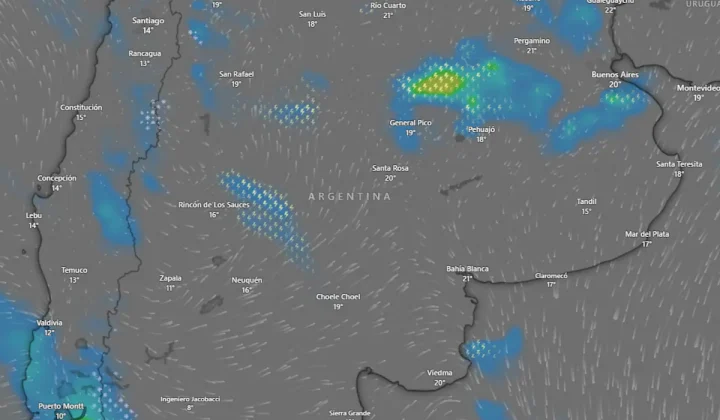
Alerta amarilla por tormentas, lluvias y nevadas: las provincias afectadas este sábado
El Servicio Meteorológico Nacional informó condiciones adversas en varias regiones del país. Hay alertas por tormentas en siete provincias y por nevadas…
Leer nota
Ensayos clínicos en Argentina: CAEMe proyecta inversiones y busca ampliar la participación federal
El director ejecutivo de CAEMe afirmó que el sector invierte más de US$700 millones anuales y proyecta US$8.000 millones para los próximos…
Leer nota
Facundo Herrera contó por qué quiere que lo reconozcan por su nombre y no por su apodo
El defensor de Boca explicó que está acostumbrado a que lo llamen “Jagger”, pero admitió que le gustaría ganar reconocimiento por su…
Leer nota
Dos personas demoradas en Neuquén tras un operativo por presunta venta de drogas a domicilio
La Policía interceptó un auto en el barrio Hipódromo tras alertas de vecinos. En el procedimiento secuestraron una sustancia que dio positivo…
Leer nota